لطفا منتظر بمانید ...
0% Complete
|
ورود به سامانه
|
ایجاد حساب کاربری
صفحه اصلی
/
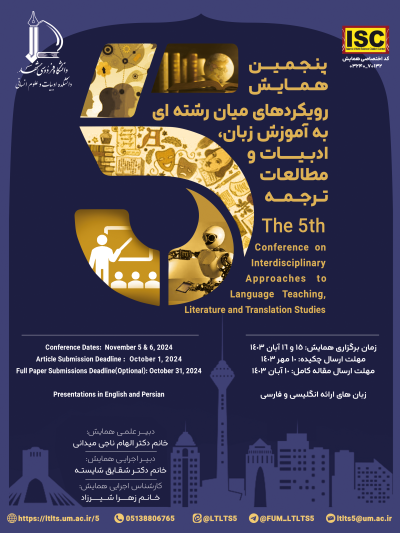
پنجمین همایش رویکردهای میان رشته ای به آموزش زبان، ادبیات و مطالعات ترجمه
Brief Review of Issues in Computer-assisted Language Testing: Evolvement, Challenges and Future Trends
نویسندگان :
Leila Shoja
1
Mohammad Mahdi Maadikhah
2
1- Ilam University
2- دانشگاه ایلام
کلمات کلیدی :
computer-assisted language testing (CALT)،computer-based tests (CBT)،computers in language education،language assessment،language testing
چکیده :
Computer-assisted language testing (CALT) has profoundly transformed language assessment by incorporating advanced technological innovations into the testing, measurement and evaluation process. This paper provides a brief review and analysis of the historical evolution, methodologies, benefits, challenges, and prospective developments in CALT. Initially constrained to paper-based formats, language testing has evolved with the advent of computer-based tests (CBTs) and computer-adaptive testing (CAT), which dynamically adjust item difficulty based on test-taker performance. CALT methodologies now encompass multimedia components, including audio and video, and leverage natural language processing (NLP) techniques for automatic response analysis. These advancements enhance the reliability, validity, and accessibility of language assessments, offering immediate feedback and customizable testing experiences. Despite these benefits, CALT faces significant challenges, such as technical issues, security and privacy concerns, fairness in automated scoring, and reliance on technology. Case studies, such as the studies on TOEFL iBT and Duolingo English Test, illustrate the practical efficacy of CALT. Looking forward, advancements in artificial intelligence, machine learning, virtual reality, and augmented reality hold promise for further innovation in language testing. Ethical considerations and the establishment of best practices along with developing quality standards and ethical codes will be crucial to ensure quality, fairness and inclusivity. Ultimately, balancing technological advancements with human oversight will be essential for the sustained success and equity of language assessment.
لیست مقالات
لیست مقالات بایگانی شده
تاچریسم و بازنمایی مفهوم قدرت /دانش فوکویی در نمایشنامه های سیاسی دوره تاچر
نازنین قراِِئی نژاد - بهروز محمودی بختیاری - مریم سلطان بیاد
The Role of Teacher Feedback Strategies in Shaping Iranian L2 Learners’ Linguistic Self-Confidence
Shima Azizbeigi
Sentiments, Strategy, and Social Dynamics: Applying Brams' Theory of Moves (1996) to Parent-Child Dynamics in Eliot’s Daniel Deronda (1876)
Maryam Mahmoudi - Sara Khazaee
Reading Persian Literary Texts and the Quality of Literary Translations
Nazanin Shadman
Translators Through the Client's Lens: Unpacking Valued Professional Traits and Common Critiques via the Willingness to Work Again Feature on ProZ.com
Ali Beikian - Hajar Ghaffari
Mapping Iran’s Linguistic Landscape: A Deep Dive into “Applied Linguistics” Research
Ali Behdani - Hossein Navidinia - Mahmood Sangari
Narratology and Ethical Philosophy in Arundhati Roy’s The Ministry of Utmost Happiness: An Interdisciplinary Study
Fatemeh Pourjafari
آموزش زبان عربی؛ چالش ها، موانع و راهکارهای تدریس
مظفر اکبری مفاخر - جواد رنجبر
Using Poetry as a Source of Input to Improve Language Skills
Saeedeh Mansouri - Saeed Safdari
Computer-assisted and AI-assisted Critical Discourse Analysis: Using Digital Technologies to Uncover Power Relations and Inequality in Language
Reza Khany - Mohammad Mahdi Maadikhah
بیشتر
ثمین همایش، سامانه مدیریت همایش ها و جشنواره ها - نگارش 44.12.3