لطفا منتظر بمانید ...
0% Complete
|
ورود به سامانه
|
ایجاد حساب کاربری
صفحه اصلی
/
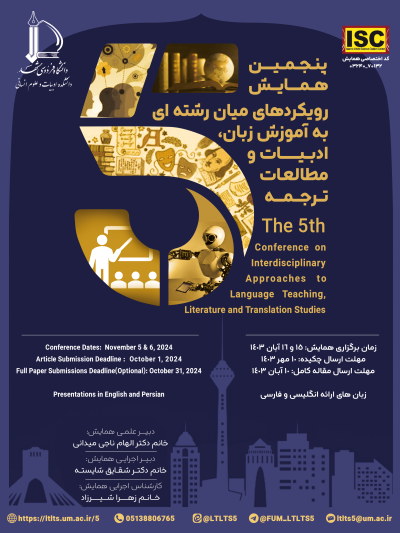
پنجمین همایش رویکردهای میان رشته ای به آموزش زبان، ادبیات و مطالعات ترجمه
The Role of Teacher Feedback Strategies in Shaping Iranian L2 Learners’ Linguistic Self-Confidence
نویسندگان :
Shima Azizbeigi
1
1- دانشگاه علامه طباطبائی
کلمات کلیدی :
Feedback strategies
چکیده :
Teacher feedback is important in the language learning process as it influences not just L2 development but also learners’ opinions about their own abilities. Although there have been several studies on teacher feedback, there is still a lack of research on its impact on the development of linguistic self-confidence in Iranian L2 learners. In order to address this gap, this research examined the influence of different teacher feedback techniques on the linguistic self-confidence of Iranian L2 learners. To this end, classroom observations and semi-structured interviews with both students and teachers were used to investigate how teacher feedback influences learners’ perceptions of their language proficiency, their willingness to take risks, and their general confidence in their linguistic abilities. The participants consisted of 15 proficient students and 15 teachers with 10-17 years of teaching experience. The results indicated that teachers who predominantly use corrective feedback that targets language errors have a negative impact on the linguistic self-confidence of second language learners. This, in turn, leads to higher levels of anxiety and a decreased willingness to actively engage in classroom activities. On the other hand, teachers who effectively combine corrective feedback with reinforcing and elaborative strategies, which emphasize learners’ strengths and offer constructive guidance, have a better effect on students’ perception of their language skills and their willingness to take risks in using the target language. This research may be used to shape the creation of teacher training programs and the development of feedback-rich language learning environments.
لیست مقالات
لیست مقالات بایگانی شده
خودترجمه آثار کردی در ایران معاصر
سهیلا حیدرنیا - افسانه محمدی شاهرخ آبادی
نقشِ مکتب شهید سلیمانی در پرورشِ نسلِ بیدار: واکاوی پی نمای از چیزی نمی ترسیدم (1401) بر پایه الگوی نودِلمَن
محمد هادی جهاندیده - رباب آدم زاده
بررسی ترجمه تابوهای فرهنگی "رمان موسم الهجرة الی الشمال " اثر طیب صالح
مرضیه عبدالهی سن سنی - روح الله صیادی نژاد - محسن سیفی
Absurdity in Conversation: Stylistic Analysis of Absurdity in Tom Stoppard's Rosencrantz and Guildenstern Are Dead (1967) and its Characterization
Parsa Mashayekhy Fard - Ali Nasrabadi
The Representation of Suicide in The Hours: A Comparative Analysis of The Hours by Cunningham (1998) and its Movie Adaptation by Daldry (2002)
Afsaneh Rezaei - Mahmood Reza Ghorban Sabbagh - Sara Khazai
Ecological Imagery in Persian Subtitles of “Planet Earth”
Ali Arjmandi Arjmandi Nahand - Samar Ehteshami
The Role of Strategic Management in the Iranian EFL Teaching and Learning Program: With Emphasis on Macro Language Planning Strategy
Zahra Mollanorouzi - Rostam Bahadorian
The Impact of Supplemental Blended Learning on Listening Comprehension Among Iranian EFL Learners
ُSaeid Najafi Sarem - Hamid Omidikia - Neda Toughiry
ترجمه و موزه : نگاهی مخاطب محور
محمدرضا فارسیان
The Healing Cycle of the Psyche and Nature: Eco-psychological Reading of Barbara Kingsolver’s Prodigal Summer
Narges Raoufzadeh - Razieh Eslamieh - Morteza Lak
بیشتر
ثمین همایش، سامانه مدیریت همایش ها و جشنواره ها - نگارش 44.11.0